Medicine Women: Rekindling a Resilient Community
February 28 - March 5, 2026
Agenda
In the three decades since our first Through Our Own Eyes: A Retreat For and By Women Physicians, our health care system has changed rapidly, but the challenges women physicians face are similar: work-life balance stress, unequal pay and resistance to women as leaders. Compared with our male colleagues, women physicians still have a 30-60% higher risk of burnout and consistently higher compassion fatigue scores. Most interventions to prevent burnout lump men and women physicians together. TOOER however is an opportunity for women physicians to understand and strengthen our own and each other’s resilience.
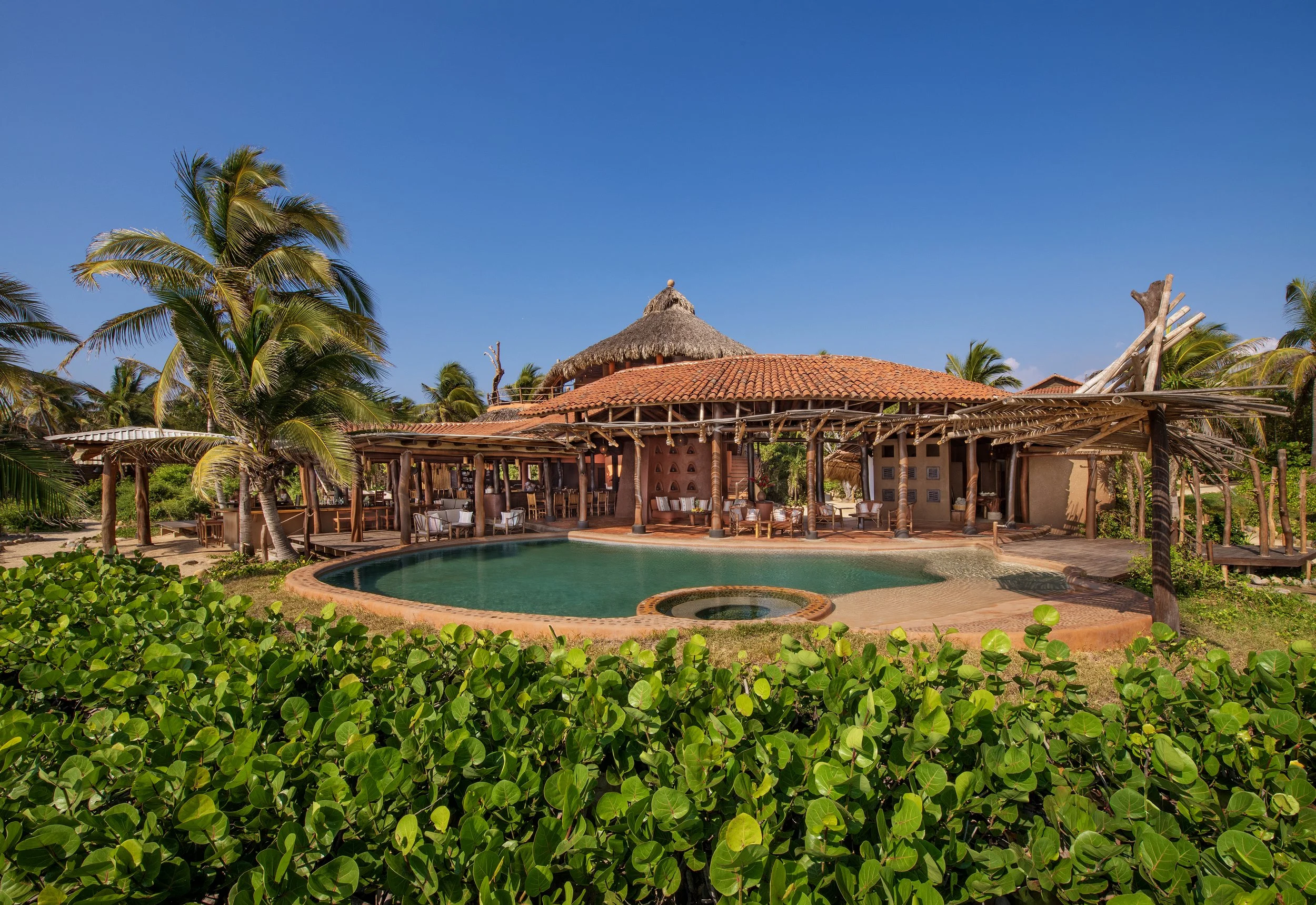
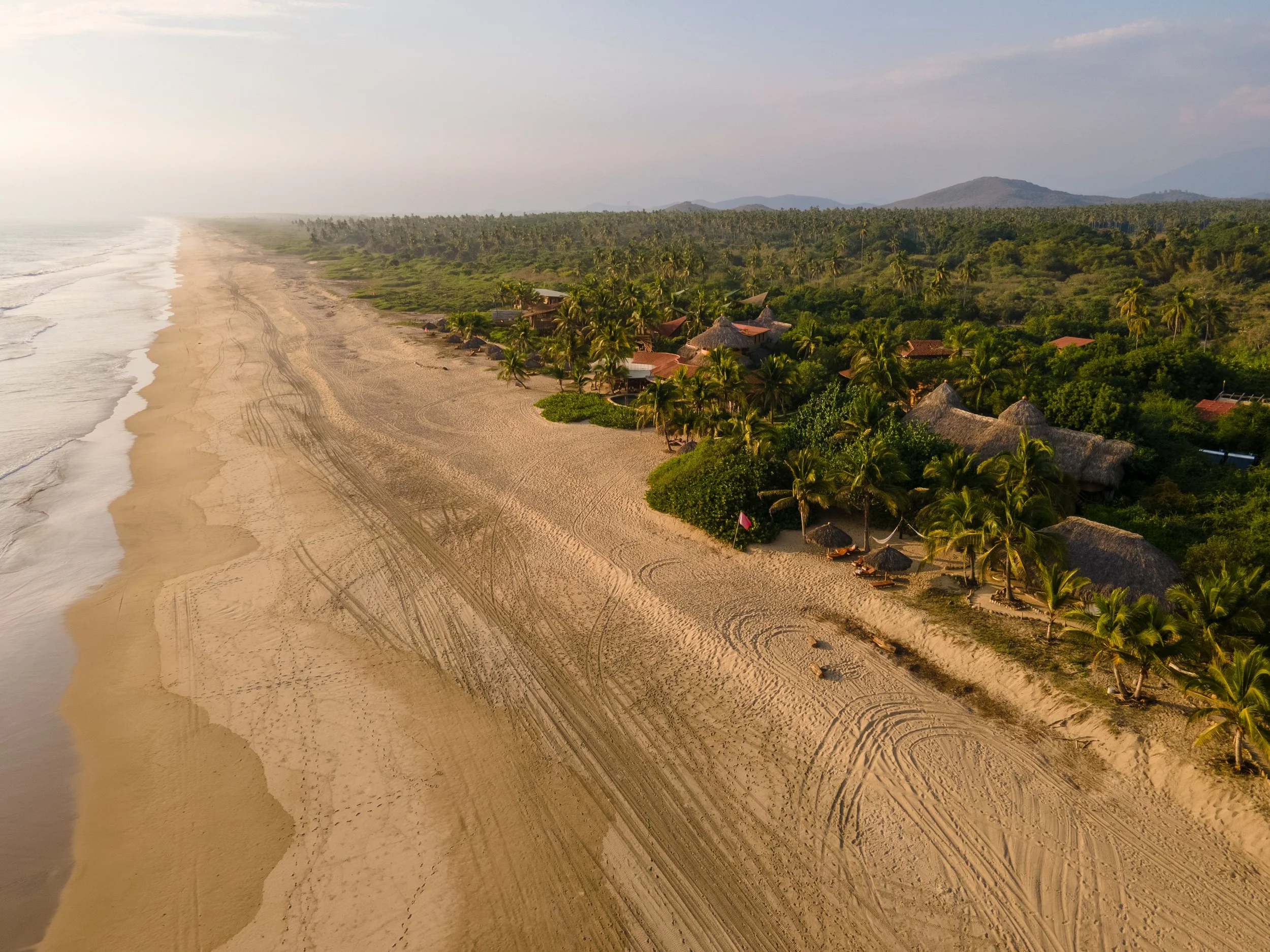
During our time at Playa Viva this week, we will begin by assessing our current burnout, compassion fatigue and compassion satisfaction. Then, through didactic sessions and seminar groups, we will explore food as medicine, analyze and apply stress management techniques, investigate what we have learned over thirty years of TOOER gatherings and connect our own health and the health of our communities health to global health.
“Medicine Women: Rekindling a Resilient Community” has been reviewed by AAFP and deemed acceptable for up to 18.00 AAFP Prescribed credit(s).
Leslie Waters, MD
“The ‘Wicked Problem’ of Physician Well-Being”
Burnout/Compassion Fatigue Physician Self Evaluation
Create a personal Mission Statement for the week
Considering a broader TOOER Community Mission
-
Define burnout & be able to discuss the statistics specific to physician burnout
Be familiar with several tools used to assess burnout & their relative usefulness
Evaluate one’s own level of burnout at the present time and understand that these levels change over time
Describe the results of burnout upon profesional development & patient care
Explain the utility of a personal mission statement in structuring personal & professional changes
Expand the utility of a Mission Statement from a personal to that of a greater community or organization
Charlea T Massion, MD; Juliet Bradley, MD; Ligia Giese, MD; Leslie Waters, MD
Cultivating Our Own and Each Other’s Resilience:
What We Have Learned From Thirty Years of Through Our Own Eyes Retreats for Women Physicians
-
Analyze the specific stressors and wellness challenges faced by women physicians, including work-life integration, gender-based disparities and risks of burnout and compassion fatigue.
Identify evidence-based techniques and strategies to cultivate resilience, enhance self-care, and promote physical and emotional health while working in medical settings.
Sonia Oyola, MD
“ Food as Medicine”
Focus on foods for better mental health
-
Describe how food impacts the development of serotonin (a key mood neurotransmitter).
List key food ingredients that can improve focus, memory and mood; understand the effects that these improvements have on complex functions needed for clinical decision-making.
Describe a recipe that can improve essential brain functions like memory and mood
Promote health equity by increasing understanding of food as a diverse, yet universal necessity that may enhance or diminish well-being and apply this understanding to patient care
Sharon Pancio, MD
“Evidence-based Self-care Practices”
Mindfulness, HeartMath, Tonglen Meditation and the evidence supporting the effects these have on chronic stress
-
Use critical thinking and research skills to discern the value of new practices and technologies, and to sort through conflicting claims
Understand the stress-related health effects and illnesses in chronically stressed underserved communities.
Explain the usefulness of Tonglen, an ancient Buddhist practice of compassion, in combatting the depersonalization that occurs with burnout
Describe the evidence supporting the principles and practice of HeartMath, and the use of technology to facilitate this biofeedback technique involving awareness and self-modulation of heart activity
Valerie Bengal, Md
“The WHO One Health Initiative”
-
Understand the One Health Initiative using COVID-19 as an example of the need for Communication, Collaboration, Coordination, Capacity-building in managing current healthcare challenges (the 4 C’s of One Health).
Articulate the basic requirements, policy goals, and clinical practices for optimal human health.
Examine examples of proposed effective interventions using the One Health approach:
surveillance and control of infectious disease outbreaks, reducing risk factors for disease outbreaks.
Describe how the One Health model can be applied beyond outbreaks of communicable diseases. Recall the disproportionate harm of natural disasters on communities, affluent and well-served, vs. vulnerable and underserved, such as fires, earthquakes, hurricanes, floods, drought.
Charlea T Massion, MD; Juliet Bradley, MD; Ligia Giese, MD; Leslie Waters, MD
“Shifting from Individual Interventions to Sustainable Communities”
-
Describe and practice techniques for curriculum development by and for physicians.
Consider additional ways to move beyond individual interventions that enhance well-being, towards Institutional and Societal improvements that address the root causes of burnout.
Small Group Seminars
small group Seminar 1
“Nourishing Our Own Well-Being and That of Our Patients”
-
Analyze the current evidence linking dietary patterns, such as Mediterranean, DASH and anti-inflammatory diets, with the prevention and management of depression and anxiety.
Evaluate the clinical evidence supporting nutritional interventions for mental health disorders, compared with pharmacologic and psychotherapeutic approaches.
Develop evidence-based counseling techniques to support patients’ transitions to nutritional practices which improve health outcomes.
Recognize populations at higher risk for diseases that are strongly impacted by dietary choices, including obesity, diabetes and hypertension.
small group seminar 2
“Put Your Oxygen Mask on First: Teaching & Modeling Self-Care in Daily Life”
-
Identify 3 areas of clinical research that show the correlation between stress and chronic disease and the health benefits of reducing stress.
Identify clinical scenarios in which meditation, mindfulness and HeartMath practices are beneficial for regulating sleep, lowering blood pressure and reducing anxiety.
Implement a teaching strategy in patient education to assist their patients in reducing their stress-related illnesses.
small group seminar 3
“Making Change Sustainable”
-
Describe the systemic factors which can contribute to burnout among women physicians, including workload inequities, gender bias and work-life balance challenges.
Analyze and outline the negative effects of burnout on professional job performance.
Recognize early warning signs of burnout and compassion fatigue.
Differentiate between individual-level resilience strategies and system-level changes which promote long-term health and well-being for women physicians.
Construct actionable plans for our institutions to improve policies and procedures which support physician health and professional development.
small group seminar 4
“Nurturing Individual & Community Resilience”
-
Strengthen leadership, mentoring and advocacy skills to empower women physicians, promote workplace equity, and influence organizational change.
Build supportive professional networks for women physicians, both locally and through a community which endures over years.
Utilize collaborative skills gained in the past 3 days of small group work to discover new ways to support ourselves, each other, our patients and our communities.
Scroll for daily schedule of lectures and activities.
For information about venue, click here